Unfortunately, it took me a while before I decided to write about quinoa. Because it is often labeled a “superfood,” I wasn’t initially convinced I needed to add it to my diet—there are so many wonderful, healthy local foods available that don’t carry that fancy label.
However, before making up my mind, I decided to explore why nutrition experts and home cooks swear by quinoa. As it turns out, they are completely right! Here is everything you need to know about quinoa, its health benefits, and how to use it in your kitchen.
What is Quinoa?
A lot of people associate quinoa with the grain family because it looks like one and cooks like one, too. However, it is actually a botanical seed native to South America (originally cultivated by the ancient Inca civilization in regions like Bolivia and Peru). Today, it is also grown in the United States, Canada, and parts of Europe.
Here is what the quinoa plant looks like—isn’t it beautiful?


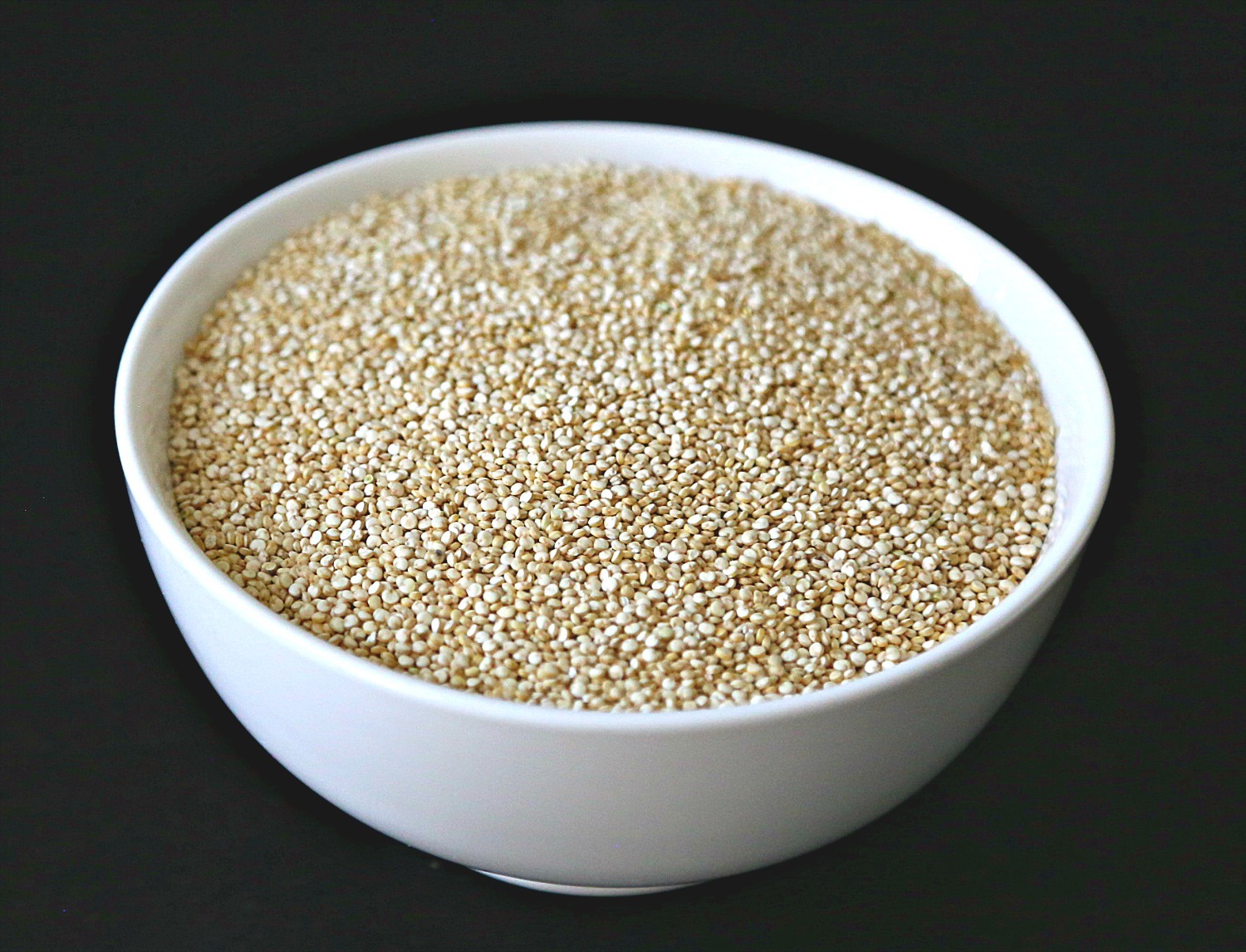
And here it is after the harvest, ready to be cooked!

Key Health Benefits & Nutrition Profile
Quinoa boasts an impressive, scientifically backed nutrition profile that makes it a fantastic addition to any healthy diet:
-
Complete Protein Source: Unlike most plant foods, quinoa is a complete protein, containing all nine essential amino acids your body cannot synthesize on its own (PubMed Research).
-
Rich in Essential Minerals: It is packed with minerals like magnesium, zinc, manganese, and iron—key nutrients that many modern diets lack.
-
B-Vitamin Powerhouse: It offers rich amounts of folate, thiamin, and riboflavin to support energy metabolism.
-
Naturally Gluten-Free: Quinoa is naturally gluten-free, making it a reliable staple for managing celiac disease or gluten sensitivity (American Journal of Gastroenterology).
-
Loaded with Antioxidants: It contains powerful bioactive compounds like quercetin, kaempferol, and Vitamin E, which help neutralize free radicals and reduce systemic inflammation (NCBI Study).
Raw vs. Cooked
While quinoa can technically be consumed raw after extensive soaking and rinsing, it is always best eaten cooked. Raw quinoa seeds contain natural plant coating compounds called saponins (which taste bitter) and phytates (compounds that interfere with mineral absorption). Thoroughly rinsing and boiling it neutralizes these antinutrients, improves digestion, and optimizes mineral bio-availability (Journal of Food Science).
Delicious Quinoa Recipes to Try
Fresh Quinoa Salad with Pomegranate Molasses


Mango Parfait with Sweet Quinoa


Featured Blogger Recipes:
-
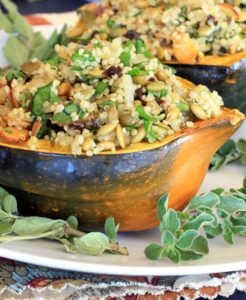
Acorn Squash Stuffed with Pumpkin Seed & Cherry Quinoa Pilaf: Created by registered dietitian Ea Stewart, this dish combines vibrant colors, cozy fall flavors, and rich nutrients. You can check out her wonderful work at Spicy RD Nutrition.


Have You Tried Quinoa Yet?
What is your favorite way to prepare quinoa—do you prefer it in savory salads or sweet breakfast bowls? I would love to hear your thoughts and favorite dishes in the comments below!