Welcome back to the “Which Is Healthier” series — where I compare common ingredients to help you choose what truly fits your lifestyle.
Rice is one of the world’s most loved staples. It appears in every cuisine — from Middle Eastern stews to Asian stir-fries and Latin comfort dishes.For many years, though, white rice has received a bad reputation, while brown rice rose as the “healthier” alternative.
But is that always true? Let’s compare them in detail — nutrition, digestion, cooking, cost, and even disease prevention — so you can decide which works best for you.

Nutrition
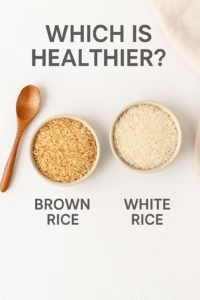
Both white and brown rice provide similar calories and carbohydrates, but the real difference lies in how they’re processed.
-
Brown rice keeps its bran and germ layers — that’s where the fiber, vitamins, and minerals live.
-
White rice has those layers removed, giving it a softer texture but fewer nutrients.
Nutritional Highlights (per 100g, cooked):
-
Brown Rice: 111 kcal, 2.6g protein, 23g carbs, 1.8g fiber
-
White Rice: 130 kcal, 2.4g protein, 28g carbs, 0.4g fiber
Brown rice is higher in fiber, manganese, magnesium, and iron, and even contains tiny amounts of healthy oils that may lower LDL cholesterol.
It also has phytonutrients that help reduce inflammation.
Some long-grain white rice varieties, like basmati, have a slightly better nutritional profile and a lower glycemic index — making them gentler on blood sugar.
Diabetes
White has a higher value of glycemic index comparing to brown one. GI according to Nutrition data means “numerical Index that ranks carbohydrates based on their rate of glycemic response” so higher values given to foods that cause the most rapid rise in blood sugar. The long grain white rice is very similar to brown rice.
In this study they have done a review for many studies on association between consumption of white rice, and the the risk of diabetes and they found that is really a high risk. However, this study found that eating white one with a side dish of vegetables can reduce the risk of diabetes.
There are many studies done on substituting white rice with brown one to see if it reduce glucose level. In this study they found that short term is not very effective, but this study ,and this one they found that it really did.
Digestion and Absorption
White rice is easier to digest because it’s refined — the hull and bran are removed, making it light and smooth. It’s ideal when you need something gentle on the stomach.
Brown rice, on the other hand, is more fibrous and hearty. It takes longer to cook and to digest, but it also keeps you full for longer and supports gut health.
For easier digestion, try:
-
Soaking brown rice for 1–2 hours before cooking
-
Cooking it longer on low heat with extra water
Phytates
Brown rice contains phytates, which can bind to minerals and reduce absorption slightly. But this isn’t a major concern — proper soaking, rinsing, and cooking can reduce phytate levels significantly.White rice doesn’t have phytates because its bran layer is removed.
Arsenic
According to Medical News Today Arsenic is a natural semi-metallic chemical that is found all over the world in groundwater. It is dangerous, and long consumption of it, is associated with chronic disease like cancer, and liver diseases. In consumer reports they found that brown rice is higher in Arsenic than white one.
To minimize exposure:
-
Rinse rice thoroughly before soaking and cooking.
-
Cook it with excess water (6:1 ratio) and drain the excess after cooking.
-
Vary your whole grains throughout the week—try ancient options like quinoa or bulgur! Read our complete breakdown on Quinoa vs. Bulgur for more high-fiber alternatives.
Availability and Cost
-
Brown rice tends to cost almost double and has a shorter shelf life because of its natural oils. It’s often sold as an organic product, which can raise the price further.
-
White rice is cheaper, widely available, and lasts much longer in storage — a key factor for large families or regions with limited access to fresh grains.
Healthy eating doesn’t have to be expensive. Choose what’s accessible, and balance it with other nutritious foods.
Cooking and Taste
-
White rice cooks faster (about 15–20 minutes) and absorbs flavors well — perfect for stir-fries, pilafs, and puddings.
-
Brown rice needs more water and a longer cooking time (40–50 minutes). It has a nutty flavor and a chewy texture that pairs well with earthy or spiced dishes.
For best results, soak brown rice before cooking — it softens faster and cooks more evenly.
Recipes
Brown rice
In desserts like this Pumpkin brown rice pudding


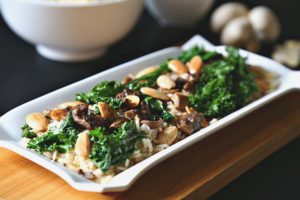
Or as main course in Brown Rice with Sauteed Mushrooms and Kale

White rice
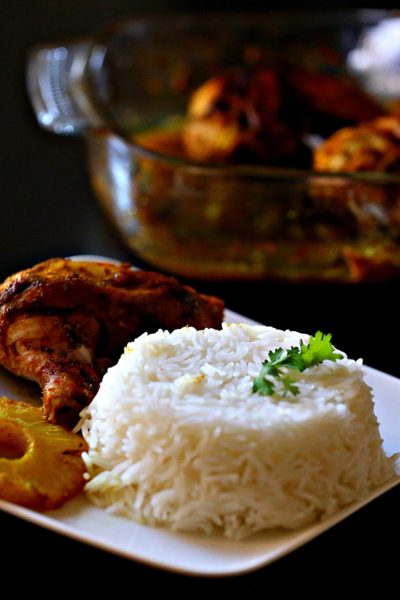
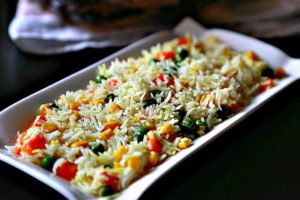
I used in many recipe shere in the blog, with meatballs, curries and more, try this one with vegetables
White rice with vegetables

❓ FAQs
1. Can I cook brown rice and white rice together?
Yes, but parboil the brown rice for 15–20 minutes first, then add the white rice so they finish together.
2. Is brown rice gluten-free?
Yes, both brown and white rice are naturally gluten-free.
3. How long does brown rice last?
Stored in an airtight jar in a cool place, it lasts up to 6 months. You can also refrigerate or freeze it to extend shelf life.
4. Which is better for rice pudding or desserts?
White rice gives a creamier pudding, while brown rice adds a nutty, wholesome flavor — it depends on your preference!
5. Can I eat white rice if I have diabetes?
Yes, in moderation and preferably with fiber-rich sides or proteins. Choosing long-grain types like basmati helps lower the glycemic effect.
Who is the winner?
Brown rice wins in terms of overall nutrition, antioxidants, and fiber. It supports heart health, stable energy, and digestive balance.
But as I always say, look at the whole picture! White rice is still a good choice for those who need something light, quick to cook, and budget-friendly.Your overall diet, cooking style, and preferences matter more than one single ingredient.
Have you tried brown rice? Did you like it?