I started a series “Arabic cuisine” featuring my traditional food. Today the dish is Stuffed Grape Leaves (War’a Dawali)—a nutritious, wholesome dish that is naturally gluten-free, too!


Disclaimer: We are at Nutrizonia a participant in the Amazon Services LLC Associates Program, an affiliate advertising program designed to provide a means for sites to earn advertising fees by advertising and linking to Amazon.com . We earn a small percentage, when you click and order items here in the post, or other items (same cost for YOU, no EXTRA fess needed).
🌿 A Taste of Home: Why Grape Leaves Are Special
After more than 15 recipes now in the Arabic cuisine series, I noticed that almost every single recipe post mentions my mom! This makes me realize how much I miss mom’s presence in my life—an actual presence, not a virtual one.
Asking mom for recipes means more than just instant help and solving a kitchen problem; it’s the trust between a mother and daughter. It’s the traditional role of looking for the best food to feed family and giving them your best. Sometimes it’s very demanding, but I’m happy to serve my little family!
My mom usually makes stuffed grape leaves whenever she prepares Stuffed White Zucchini (Kousa Mahshi), making them the ultimate Levantine comfort food pair. Lots of families back home cook grape leaves as a main course—lots and lots of them. While they taste incredible, it is definitely a labor of love!
The Secret to Rolling Grape Leaves (Small is Best!)
Grape leaves make their presence known at almost every women’s gathering since they function as the ultimate finger food or snack. They are fulfilling without leaving you feeling uncomfortably heavy.
And there is always an undeclared competition: the one who rolls the thinnest and smallest leaves is the real winner, while the one with big ones is labeled the “lazy” cook. Unfair, right? Do you agree?
I didn’t used to—but when it comes to grape leaves, I totally agree now! Big leaves don’t taste as good as small, thin ones, and they are much harder to chew. Therefore, there’s a good reason why the cook with the smallest rolls takes the crown!
Note: If you want a completely plant-based version, check out the popular vegan variation called Yalanji, which swaps the meat for a rich mixture of rice, herbs, tomatoes, and olive oil!
👀 Step-by-Step Visual Guide to Rolling
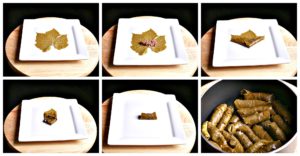
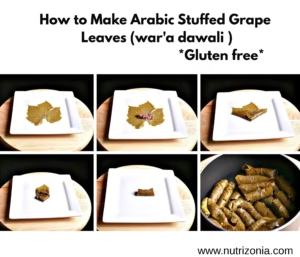
To make the rolling process crystal clear, take a look at the step-by-step collage below. Lay your leaf flat with the veins up, add a small log of filling near the stem, fold up the bottom, tuck in the sides, and roll tightly into a neat little cylinder before packing them snugly into your pot:

🥗 Health Benefits of Grape Leaves
Beyond their incredible flavor, grape leaves are surprisingly nutritious and healthy:
-
Vitamins & Minerals: They are rich in vitamins A, C, and folate, plus essential minerals like manganese, calcium, and iron.
-
Antioxidants: They contain powerful anti-inflammatory properties and high amounts of antioxidants like phenols and flavonoids.
-
Note on picking: Interestingly, leaves picked late in September (after the peak season) are the highest in antioxidants, though they become tougher to chew and have a slightly bitter taste.
Research on grape leaves is still in early stages, with most scientific studies focusing on grapes and wine. A Lebanese talented blogger, Maureen, has posted a wonderful guide to picking fresh grape leaves packed with great photos if you want to forage your own. If you live in a moderate climate, you can even start a vineyard yourself! That’s what people do back home—even my family has a small one. It provides great shade, privacy, delicious grapes, and fresh grape leaves right at your doorstep.
************************************
🛒 Recommended Tools for Rolling & Cooking War’a Dawali
- Extra Virgin Olive Oil: High-quality olive oil is crucial for both cooking the filling and adding a rich, silky finish to the simmering broth.
-
Sturdy Stainless Steel Stockpot on Amazon: Essential for even heat distribution while simmering your grape leaves for hours without burning the bottom.
-
(Levantine 7 Spice Blends: For authentic flavor, having quality cinnamon, allspice, or traditional 7-spice on hand makes all the difference.
-
Durable Rolling Mat / Vine Leaf Roller: If you want to speed up your rolling process for big batches, a small rolling tool can help achieve those prized, tight, bite-sized cylinders.
Save the recipe for later , pin it!

❓ Frequently Asked Questions
-
What is the difference between War’a Dawali and Greek Dolmas?
Arabic War’a Dawali is typically rolled into longer, thinner cylinders and frequently stuffed with a mixture of spiced rice and minced meat (or rice, herbs, and tomatoes for vegan Yalanji), simmered in a lemon-infused broth. Greek Dolmades are often wider and served cold with a tangy egg-lemon sauce (Avgolemono).
-
Can I use jarred grape leaves instead of fresh ones?
Yes! Jarred grape leaves in brine are convenient and available year-round. Always rinse them thoroughly under cold water and blanch them in hot water for 2–3 minutes to soften the leaves and remove excess salt before rolling.
-
Which side of the grape leaf do you put the rice filling on?
Lay the leaf flat with the shiny side down and the rough, raised veins facing up. Place your line of filling near the stem end, fold the sides inward, and roll tightly toward the top tip.
-
How do I stop grape leaves from unrolling while cooking?
Pack the stuffed leaves tightly in layers at the bottom of your pot. Place a heavy heat-safe ceramic plate upside down directly on top of the grape leave
Now let’s get to the recipe!


How to make stuffed Grape leaves (war'a dawali)
A traditional Levantine classic featuring tender grape leaves rolled around spiced rice and minced beef or lamb, simmered to perfection in a lemon-infused broth. Naturally gluten-free, nutritious, and perfect as a satisfying appetizer or main dish!
Ingredients
- 25 grape leaves (fresh, frozen, or preserved/jarred)
- 2 Tbsp olive oil
- 100 g raw minced beef or lamb
- ½ cup uncooked short-grain white rice
- Spices: salt, black pepper, ground cinnamon, or Arabic 7-spice (to taste)
- Water (enough to cover the rolled leaves in the pot)
- Lemon juice (optional, added to the broth for tanginess)
Instructions
- Prep the Leaves: If using preserved or jarred leaves, wash them thoroughly multiple times under cold water to remove excess sodium and eliminate any preserving odor. Blanch in hot water for 2–3 minutes if needed to soften.
- Mix the Filling: In a bowl, combine the uncooked short-grain rice, minced meat, olive oil, and your choice of spices (salt, pepper, cinnamon, 7-spice) mixing well.
- Roll: Lay a grape leaf flat on a plate or cutting board (shiny side down, veins facing up). Place a small spoonful of filling near the stem end. Fold the bottom up over the filling, fold the left and right sides inward, and roll tightly into a small cylinder. Repeat for all leaves.
- Layer in Pot: Pack the rolled grape leaves tightly in neat layers at the bottom of a deep cooking pot so they don't unwind while simmering.
- Weigh & Simmer: Add water (and a splash of lemon juice) just enough to cover the top layer of leaves. Place a heavy, heat-safe ceramic plate upside down directly on top of the leaves to keep them pressed down. Cover the pot with a tight lid.
- Cook: Simmer on medium-low heat for about 30 to 45 minutes, checking toward the end to ensure the rice is tender and adding a little extra water if needed.
- Serve: Enjoy them warm or chilled!
Notes
Nutrition Information:
Yield:
4Serving Size:
1Amount Per Serving: Calories: 236Total Fat: 12gSaturated Fat: 3gUnsaturated Fat: 9gCholesterol: 22mgSodium: 752mgCarbohydrates: 23gFiber: 3gSugar: 0gProtein: 10g
🍽️ More Traditional Arabic & Mediterranean Recipes You’ll Love
If you enjoyed making these authentic stuffed grape leaves, check out these favorite dishes from my Arabic Cuisine series:
-
Stuffed White Zucchini (Kousa Mahshi) — The ultimate Levantine comfort food companion traditionally served right alongside War’a Dawali!
-
Vegan Stuffed Grape Leaves (Yalanji) — A lighter, plant-based version stuffed with spiced rice, herbs, tomatoes, and olive oil.
-
Authentic Fresh Tabbouleh Salad — A bright, zesty, herb-packed Levantine salad that balances rich stuffed leaves perfectly.
-
Traditional Creamy Mutabal (Eggplant Dip) — A smoky, velvety roasted eggplant dip that makes a wonderful addition to any mezze platter.
Have you ever tried stuffed grape leaves? Would you try them? I would love to hear from you!


Did you cook them long enough? It will usually have the brine flavor there still which is part of the taste. And the stems should be taken out before stuffing to soften them.
Thanks for the suggestions!
I grew up on Arabic/ Lebanese food…. And have always loved Stuffed grapeleaves. My mom made them all the time, and this recipe sounds “Exactly” like the way my mom used to make them. Some recipes mention putting the leaves in boiling water for a few minutes first…… but my mom never did. What’s your opinion on that!? Thanks.
Hello Mona, thanks for commenting if the leaves are fresh , no need to do that. if its stored in brine water, in jars, you do that , to remove excess salt.
I make them often. I love them with beef and lamb combo and rice. I make a dipping sauce and serve them with feta, cucumber and tomatoes. So good.
Oh I love how you served them, fantastic!
I had stuffed grape leaves once or twice and can’t wait to make them myself. Thanks for the wonderful recipe! Once I learn how to make them, I plan to make them again and again. I just love foreign food!
You are very welcome , just give it a try , it’s not so hard!