This is another post in the “Which Is Healthier” series. Today we’ll compare two of fall’s most beloved ingredients — pumpkin and sweet potato. Both are highly nutritious and versatile, yet they differ in nutrient density, calorie load, and overall health effects. In this article, we’ll explore their nutritional value, health benefits, and potential risks — and help you decide which one truly deserves the crown.
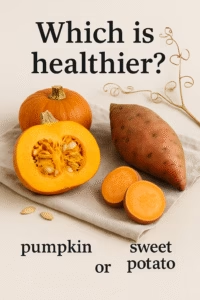

🍂 From Simple Winters to Pumpkin Mania
When I was a child, sweet potatoes were thin, long, and humble — we’d grill them whole and eat them plain, no butter or sugar. Food in our home was simple, nourishing, and real. The Middle Eastern table was full of dips like hummus and elaborate dishes like stuffed zucchini, but pumpkin and sweet potatoes appeared only in the coldest winter days — a rare, cozy treat.
Years later, when I lived in the United States, I was amazed by the pumpkin mania every September. Pumpkin lattes, muffins, pies — it was everywhere! I remember spending hours on Pinterest, saving recipes, and wanting to recreate them all in my own kitchen.
Now, I love that these two ingredients — once seasonal and special — are available almost all year. They’re affordable, wholesome, and endlessly versatile. Every recipe I make with them feels like a blend of nostalgia and discovery — one that bridges my childhood simplicity with the creativity I’ve found through cooking and blogging.
🥕 1. Calories & Carbs: Similar, But Not Identical
If you’re counting calories or carbs, the two are close — but not twins.
| 100 g (boiled) | Calories | Carbs | Fiber | Sugar |
|---|---|---|---|---|
| Pumpkin | 26 kcal | 6.5 g | 0.5 g | 2.8 g |
| Sweet potato | 86 kcal | 20 g | 3 g | 4.2 g |
Pumpkin is lighter, making it a great option for low-calorie, high-volume meals like soups and smoothies.
Sweet potatoes, on the other hand, are more energy-dense and satisfying — ideal for athletes or anyone needing sustained energy.
Quick tip: If you’re managing blood sugar, pumpkin may help avoid spikes, while sweet potatoes (especially with skin) release energy slowly thanks to higher fiber.
📚 Source: USDA FoodData Central
🧡 2. Vitamins & Antioxidants: A Tie Between Two Powerhouses
Both owe their orange hue to beta-carotene, a powerful antioxidant that converts to vitamin A.
-
Pumpkin: Rich in vitamins A, C, E, potassium, and manganese.
-
Sweet potato: High in vitamins A, C, B6, and manganese.
Pumpkin slightly edges ahead in vitamin C (immunity and collagen support), while sweet potatoes provide more B-vitamins, crucial for metabolism and nerve health.
🧪 Science spotlight:
-
A 2019 study in the Journal of Food Science & Technology found that both had high antioxidant capacity, with sweet potatoes slightly higher in polyphenols.
-
Another review in Nutrition Research Reviews noted pumpkin carotenoids’ role in eye health and oxidative-stress reduction.
📚 References:
🩸 3. Blood Sugar & Diabetes Management
Despite its natural sweetness, pumpkin has a lower glycemic index (GI ≈ 51) than most sweet potatoes (GI ≈ 61–70).
That means it raises blood sugar more slowly — an advantage for diabetes or insulin resistance.
Sweet potatoes still shine through their resistant starch (especially when cooked, cooled, then reheated). Resistant starch feeds healthy gut bacteria and supports insulin sensitivity.
Pro tip: Roast and chill sweet potatoes overnight, then reheat for a natural resistant-starch boost.
📚 Reference: Verywell Health – Sweet Potato vs Pumpkin
💆♀️ 4. For Beauty & Skin Health
Both are skin-loving foods, rich in vitamins A and C to promote collagen and tissue repair.
-
Pumpkin enzymes act as gentle exfoliants from within — no wonder it’s a common skincare ingredient.
-
Sweet potatoes (especially purple types) contain anthocyanins that protect from UV damage and boost skin elasticity.
Beauty booster idea: blend cooked pumpkin with coconut yogurt and cinnamon — a creamy, skin-friendly snack full of antioxidants.
📚 Reference: Frontiers in Nutrition (2020) – Carotenoids & Skin Health
🥣 5. Fiber, Satiety & Digestion
Sweet potatoes win this round with nearly 3× more fiber than pumpkin.
They help you stay full longer, aid digestion, and stabilize blood sugar.
Pumpkin, lighter in texture, works best in fluffy snacks or desserts. Both are gluten-free and pair beautifully with warm spices like cinnamon, nutmeg, and ginger.
📚 Reference: USDA FoodData Central
💰 6. Availability & Cost
In regions like the Gulf, canned pumpkin purée can be pricier and seasonal, while sweet potatoes are widely available year-round.
If fresh pumpkin isn’t available, roast and freeze portions or use pure purée brands like Libby’s.
🍰 7. Cooking & Recipe Ideas
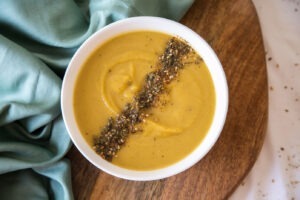
🎃 Pumpkin Recipes
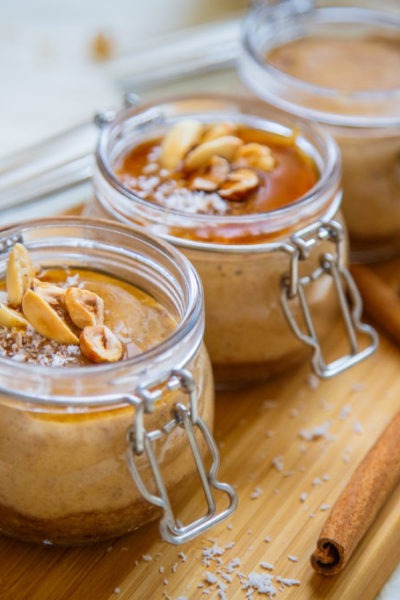
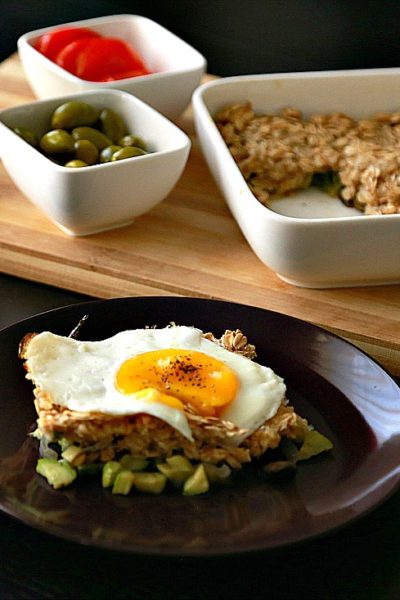
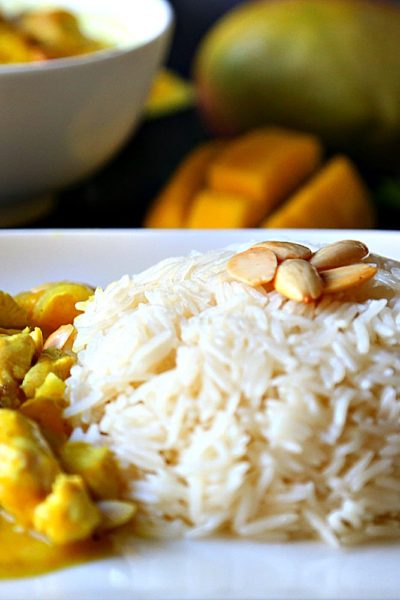
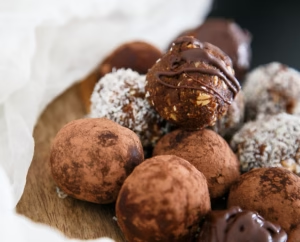
I have many Pumpkin recipes here on the blog, savory and sweet! Here are some


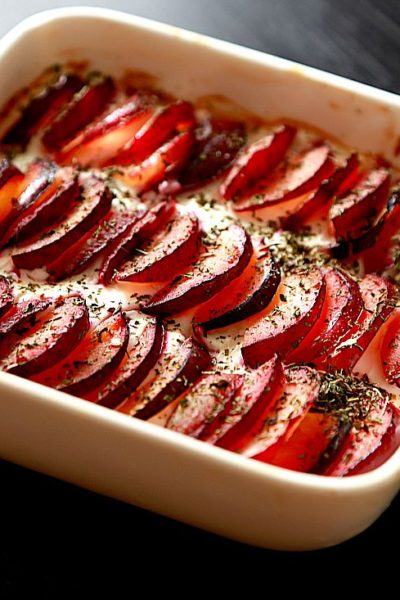
🍠 Sweet Potato Recipes
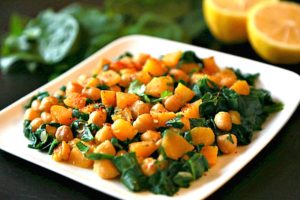

Sweet potatoes pair deliciously with cinnamon, peanut butter, or dark chocolate.


🩺 8. Disease Prevention Potential
Both support heart, eye, and gut health thanks to their nutrient and antioxidant profiles.
-
Heart health: potassium helps regulate blood pressure.
-
Cancer prevention: beta-carotene and polyphenols protect cells.
-
Eye health: carotenoids maintain retinal function.
-
Gut health: fiber and resistant starch improve microbiome balance.
📚 Reference: Frontiers in Nutrition (2020) – Orange Vegetables Review
🥄 Final Thoughts: Which Should You Choose?
There’s no absolute winner — pumpkin and sweet potato complement each other perfectly.
-
Choose pumpkin for light, low-calorie dishes or desserts.
-
Choose sweet potato for hearty, filling, fiber-rich meals.
If you love fall flavors, don’t pick one — alternate between them to enjoy the best of both worlds: comforting taste, glowing skin, and steady energy.
✨ FAQs
1. Can I substitute pumpkin with sweet potato?
Yes, in most pureed or baked recipes — just reduce added liquid slightly.
2. Which is better for diabetics?
Pumpkin has a lower GI, but both fit into a balanced, portion-controlled diet.
3. Are canned and fresh pumpkin equally nutritious?
Almost! Canned is cooked and pureed, so nutrient loss is minimal. Just ensure it’s 100% pumpkin.
4. Can I mix both?
Absolutely — they balance texture and sweetness beautifully in muffins, oatmeal, and soups.
📘 Further Reading